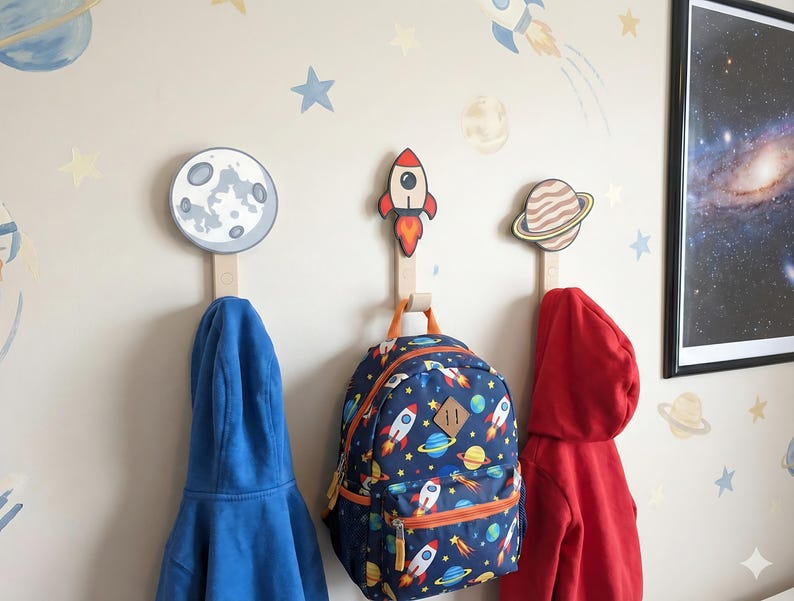
This journey began when I sent my dad an article about the upcoming Bambu Lab H2D, which offered a glimpse of how far desktop 3D printing had advanced since I first got into the hobby. He went from curious to owning a Bambu printer while I was still using an older machine that required manual bed leveling and much more hands-on attention. The irony was hard to miss: I had gotten him interested in 3D printing, yet he reached the modern, more reliable experience before I did.
My first printer was driven by fishing line
My history with 3D printing began with the original Printrbot Simple, whose motion system used fishing line and demanded as much maintenance as operation. That hands-on experience was part of the appeal because it forced me to learn calibration, materials, geometry, and patience rather than treating the printer like an appliance.
That contrast finally nudged me to make the upgrade I had been putting off. After years of following the technology, I bought an Elegoo Centauri Carbon and later added a Bambu Lab P1S with an AMS for multicolor work. The improvement went well beyond print speed: the machines became dependable enough that we could spend less time keeping them running and more time deciding what was worth making.
Better tools did not remove the craft. They moved the craft from coaxing the printer into motion to designing a product someone would actually want.
We started by making things for my daughter
My dad and I soon found ourselves making organizers, decorations, and playful everyday objects for my daughter, which gave us an unusually honest feedback loop. We could quickly see whether an idea made sense, served a real purpose, and remained interesting after its novelty wore off.
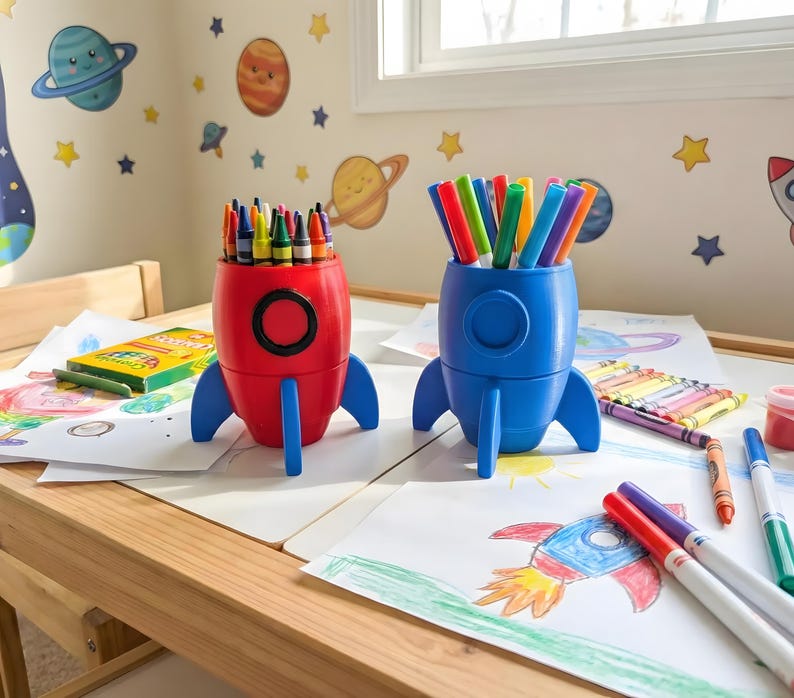
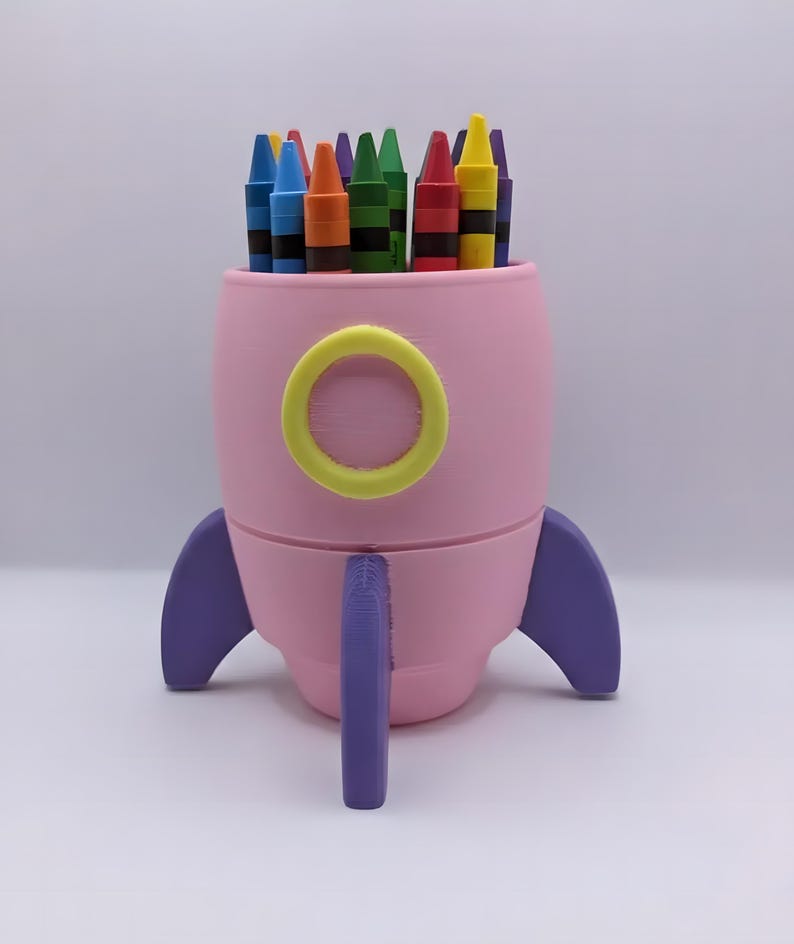
Over time, we stopped limiting ourselves to existing models and began using AI image generation to explore characters, silhouettes, color combinations, and themes before translating the strongest ideas into CAD and printable geometry. AI helped us cover more creative ground quickly, but each generated image was only a starting point; turning it into a physical object still required thoughtful dimensions, tolerances, assembly decisions, print orientation, and plenty of iteration.
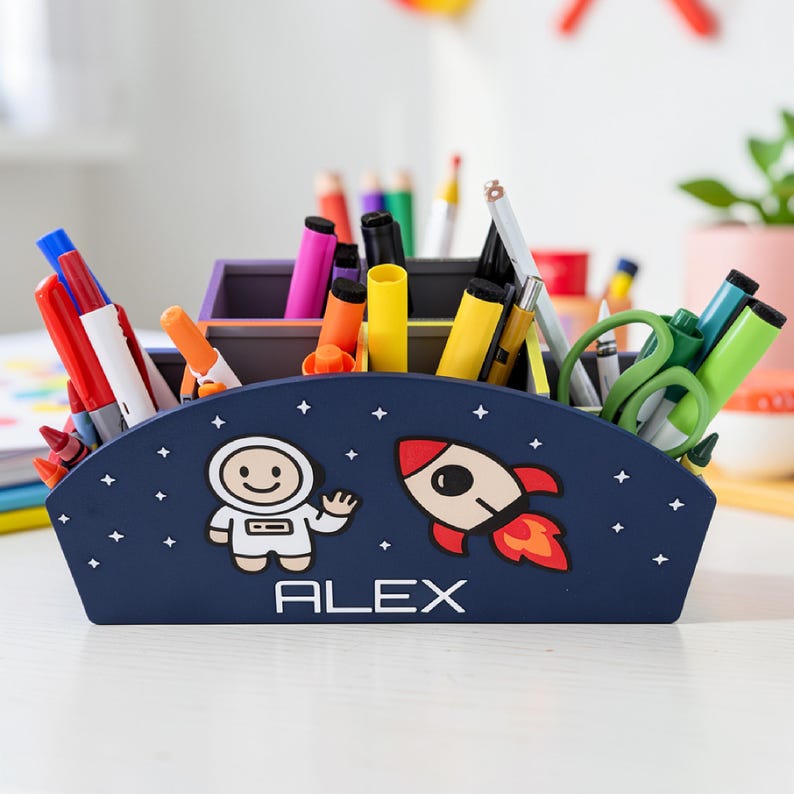
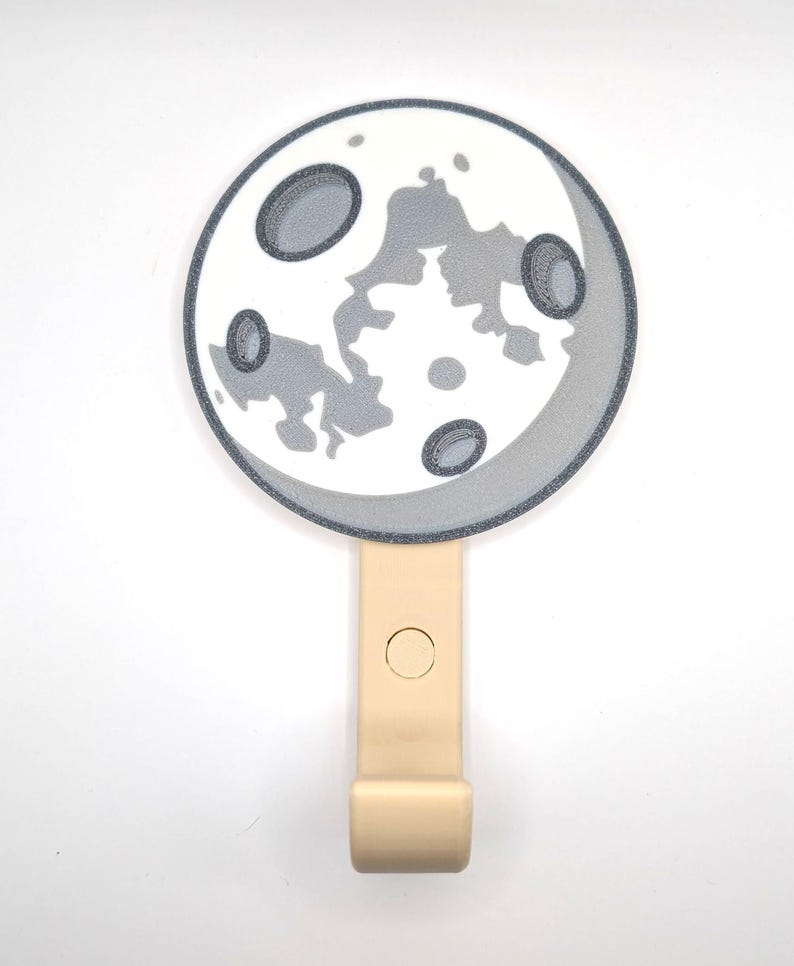
That experiment became NEWMANzoneCREATIONS
As our collection of original designs grew, opening a shop felt like the natural next experiment. We created NEWMANzoneCREATIONS to sell cheerful, functional 3D-printed products for children’s rooms and everyday routines. Although it is a family project, it also functions as a real product laboratory, where every design has to become a viable CAD model, a clean finished print, and a compelling listing before a stranger can decide it is worth buying.
The product is only part of the work
Making the object turned out to be only the most visible part of a much larger system, beginning with the surprisingly difficult work of Etsy listing photography. A product that looks great in person can appear flat, confusing, or poorly scaled in a photograph, while completing the rest of the listing requires selecting and editing images, writing useful copy, choosing variations, anticipating questions, setting a price, planning the packaging, and checking everything again.
Publishing a listing only begins the next phase, which includes advertising, social media, choosing what to make next, and figuring out which activities genuinely help. These are not side chores but part of the product itself, and experiencing them firsthand has sharpened how I think about ShopSpark: as creation becomes faster, the surrounding workflow increasingly becomes the bottleneck.
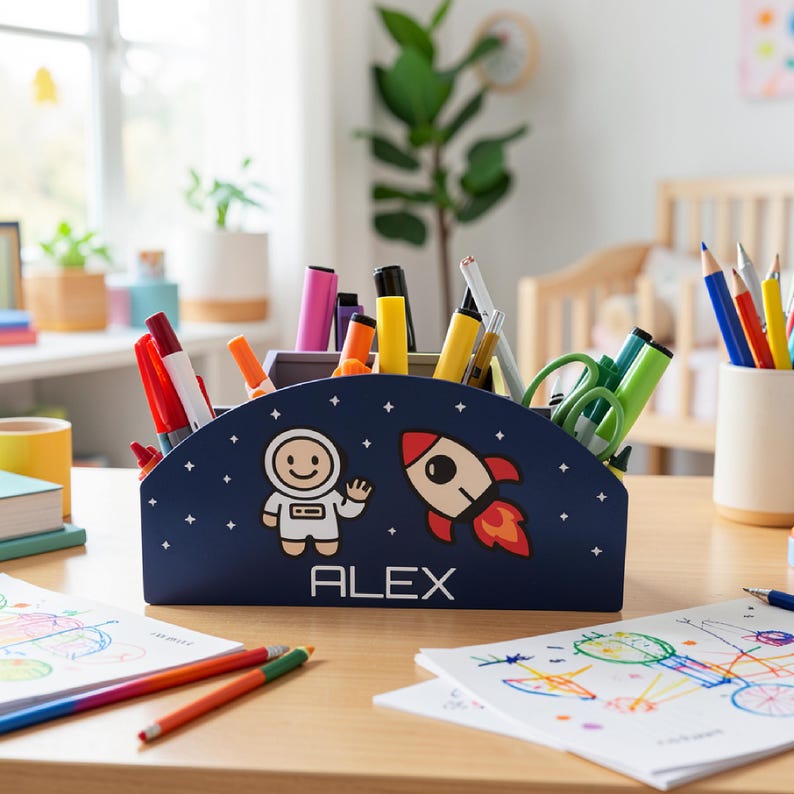
The most rewarding feedback does not look like a metric
Reviews matter, but customer photos are especially rewarding because they close a loop that is easy to lose in software. Something we discussed, modeled, printed, photographed, packed, and shipped has become part of another family’s home, transforming it from an experiment on our workbench into an object someone is genuinely using.
That connection is what keeps the project interesting to me: it brings together making, AI-assisted ideation, physical constraints, marketplace operations, and direct customer feedback. More importantly, it gives my dad and me something meaningful to keep learning by building together.